The Skin Barrier – And Why It Determines the Success of Every Skincare Routine
Most people think of skincare in terms of active ingredients – retinol, hyaluronic acid, peptides. What's often overlooked: no active ingredient can reach its full potential if the foundation isn't right. That foundation is the skin barrier.
The skin barrier – specifically the stratum corneum – is the outermost layer of the epidermis. It consists of flattened corneocytes embedded in a matrix of ceramides, cholesterol, and free fatty acids. This structure is often described as a brick-and-mortar model: the corneocytes are the bricks, the lipids are the mortar. When intact, it protects against moisture loss, environmental stressors, and the penetration of irritating substances.
In practice, I regularly see what happens when this barrier is compromised: skin becomes more reactive, prone to redness, feels dry – and products that are normally well tolerated suddenly cause irritation. Common causes include over-cleansing, too many active ingredients used simultaneously, or environmental factors like dry indoor air and UV exposure.
What does this mean for daily skincare?
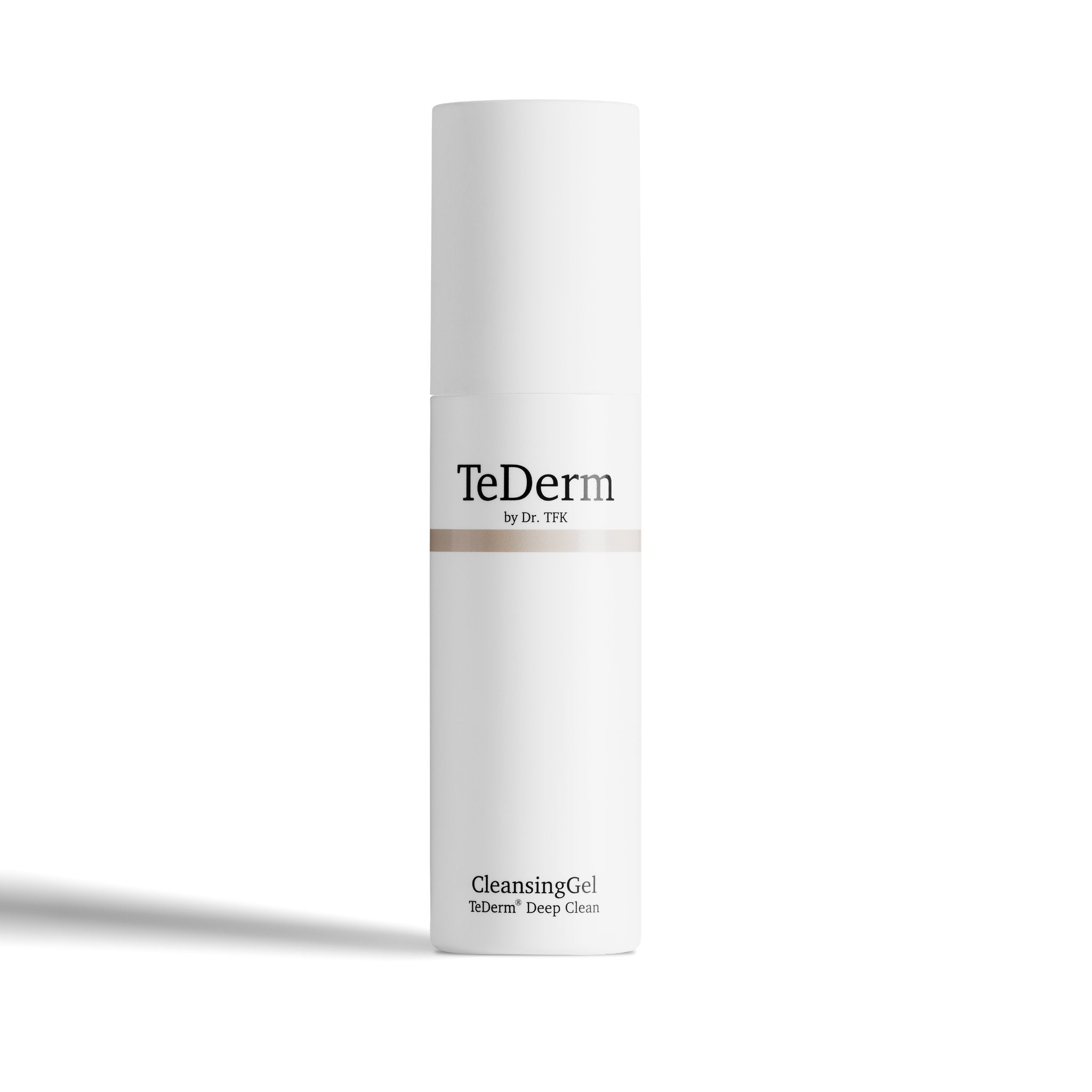
The first step is often the most underestimated: cleansing. A cleanser should be thorough without stripping the skin's natural lipids. Mild surfactants, a skin-friendly pH, and purposeful additions like panthenol or low-concentration glycolic acid make a measurable difference – not in claims, but in barrier stability over weeks and months. Glycolic acid may seem surprising in a cleanser, but at targeted doses it supports natural cell renewal from the very first step, without compromising the barrier.
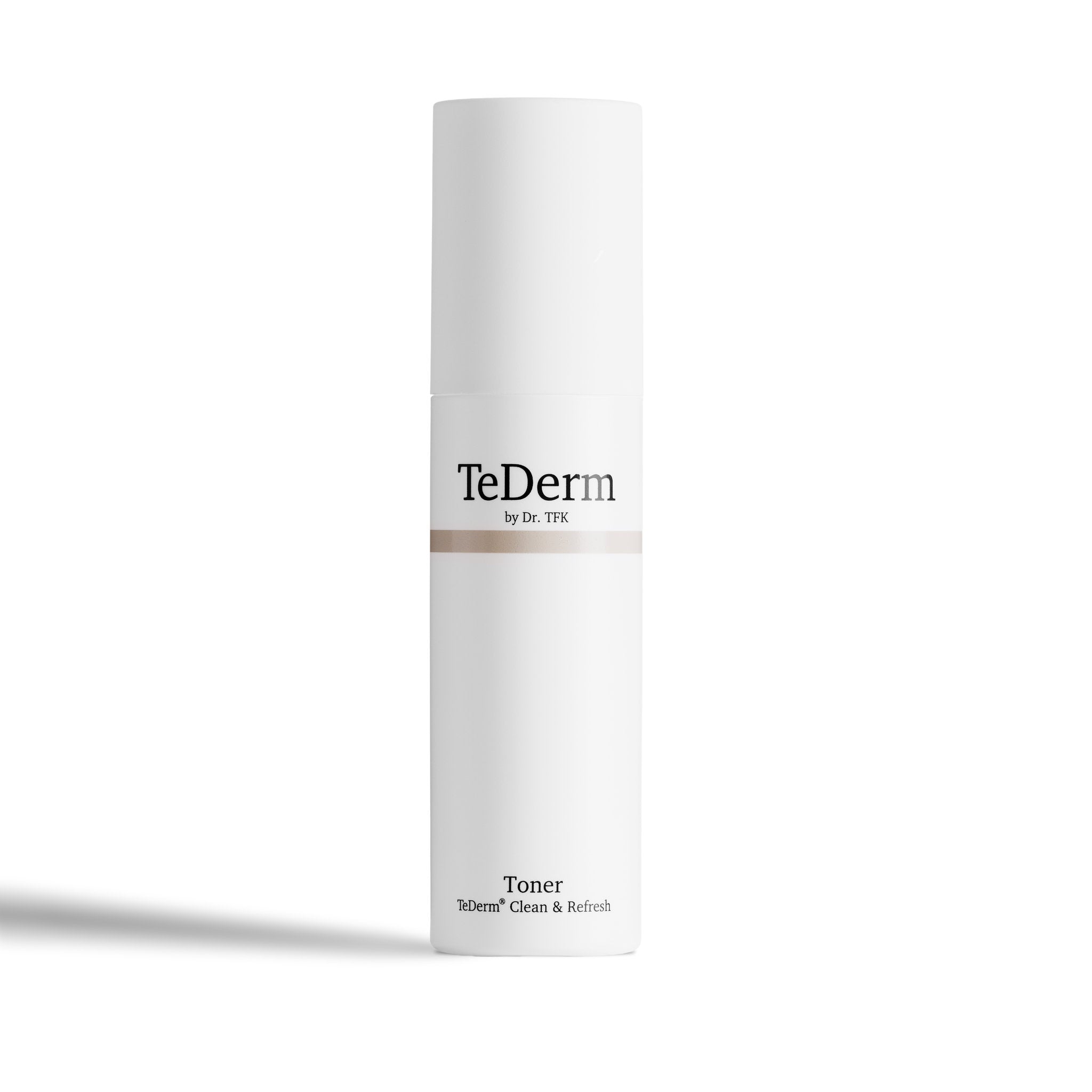
The second step: rebalancing pH and supplying the skin with the building blocks it needs for regeneration. Amino acids, zinc PCA, and allantoin aren't glamorous ingredients – but they're among the most functional. They stabilize the skin's environment, support natural moisture retention, and prepare the skin to absorb subsequent actives.
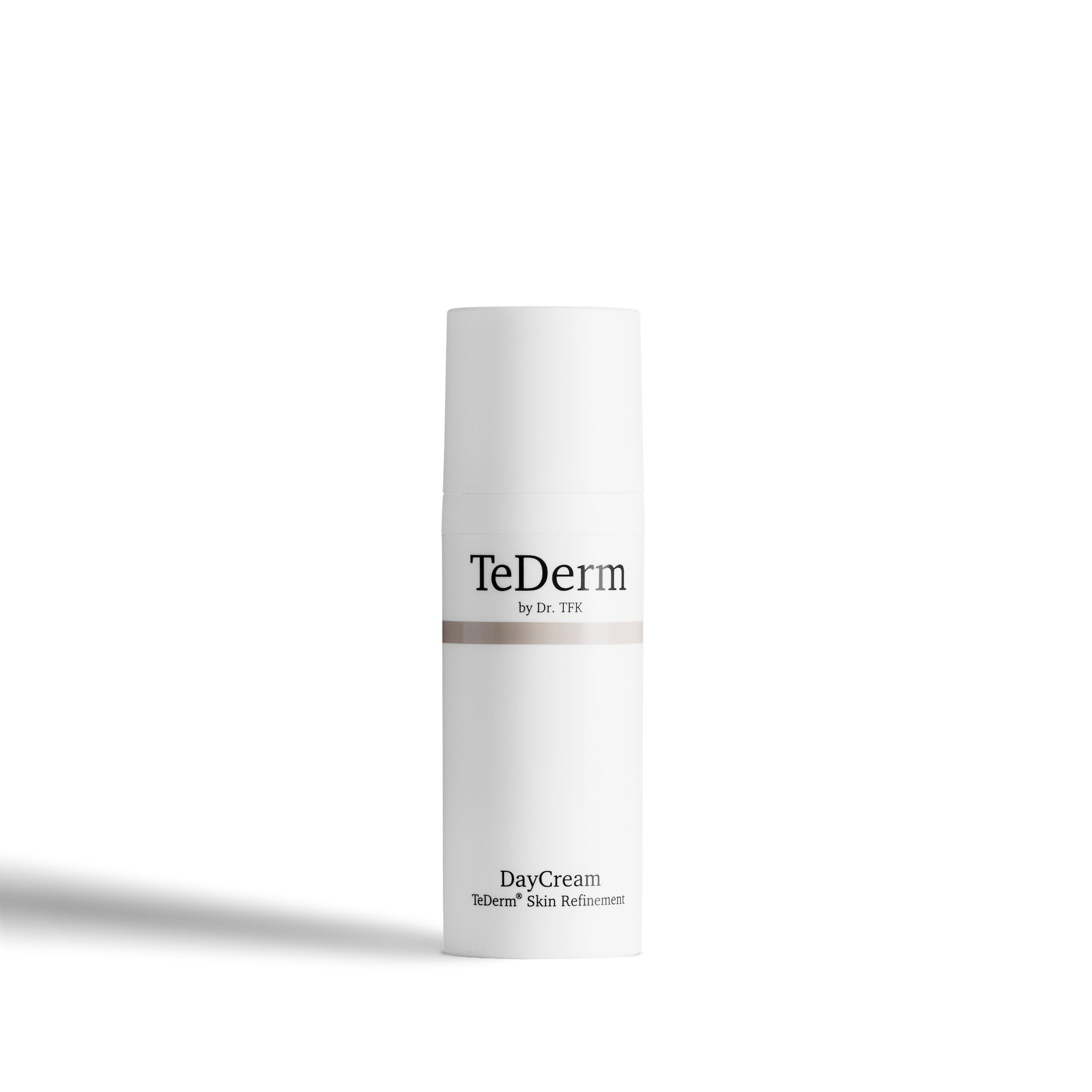
Only on this foundation does it make sense to introduce active ingredients like retinal, peptides, or ectoin. Because an intact barrier determines whether an active reaches its target – or simply irritates the surface. Ingredients like ceramides, squalane, or probiotic lysates can further strengthen the barrier from within and improve its resilience over time.
In my work as a dermatologist, this sequence has become fundamental: establish the foundation first, then build purposefully. It sounds less spectacular than a new miracle ingredient. But it's the approach that delivers lasting results.
— Dr. Tessi Feichtinger-Koch